Is Bladder Leakage A Sign Of Perimenopause?
Several females experience bladder leak throughout perimenopause and menopause, but it doesn't imply you need to deal with it. Find out why it happens and what can be done to deal with signs and symptoms of urinary system incontinence throughout the Menopause And Incontinence. This kind of incontinence happens when physical activities such as chuckling, sneezing, coughing, or exercising put stress on your bladder, causing leakage. It is usually linked to the weakening of pelvic flooring muscles, which can happen as a result of hormonal modifications during menopause. As a registered nurse who's operated in geriatrics for over 14 years, I understand initial hand that changes in bladder control can be a typical component of aging.On top of that, natural aging can contribute to the loss of muscle tone in the pelvic region, making bladder control more difficult over time. Giving birth, obesity, smoking, and certain persistent problems like diabetes mellitus can likewise enhance the risk of developing urinary incontinence. Testosterone aids preserve prostate health, while estrogen affects the bladder lining and pelvic muscular tissues. Both are very important for normal urinary system system feature and reducing risk elements for cardiovascular disease and prostate cancer. However before talking about therapy alternatives, we'll first analyze the function that estrogen plays in urinary system incontinence and urinary system system infections. Sometimes, urinary system incontinence might be related to other clinical problems beyond hormonal modifications.
Best Workouts For Prolapsed Bladder And Womb
It's formally defined as the last menstruation period that a lady experiences. The years leading up to menopause are called perimenopause and may begin years prior to you actually have your last period. We have actually all listened to the hallmark signs and symptoms of menopause-- hot flashes, state of mind swings, and night sweats to name a few. Yet one extremely common signs and symptom of menopause that numerous females don't go over is urinary system incontinence.
Urinary Incontinence
- When your bladder does not empty completely, this kind of UI can show as continual pee dribbling.Perimenopause is a transition time that every female will experience in their life, from reproductive years to menopause.Our carriers function carefully with each person to establish a personalized treatment plan that boosts bladder control and general quality of life.Charting your signs can aid you track your signs and symptoms and enhance your communication of signs to your service provider.
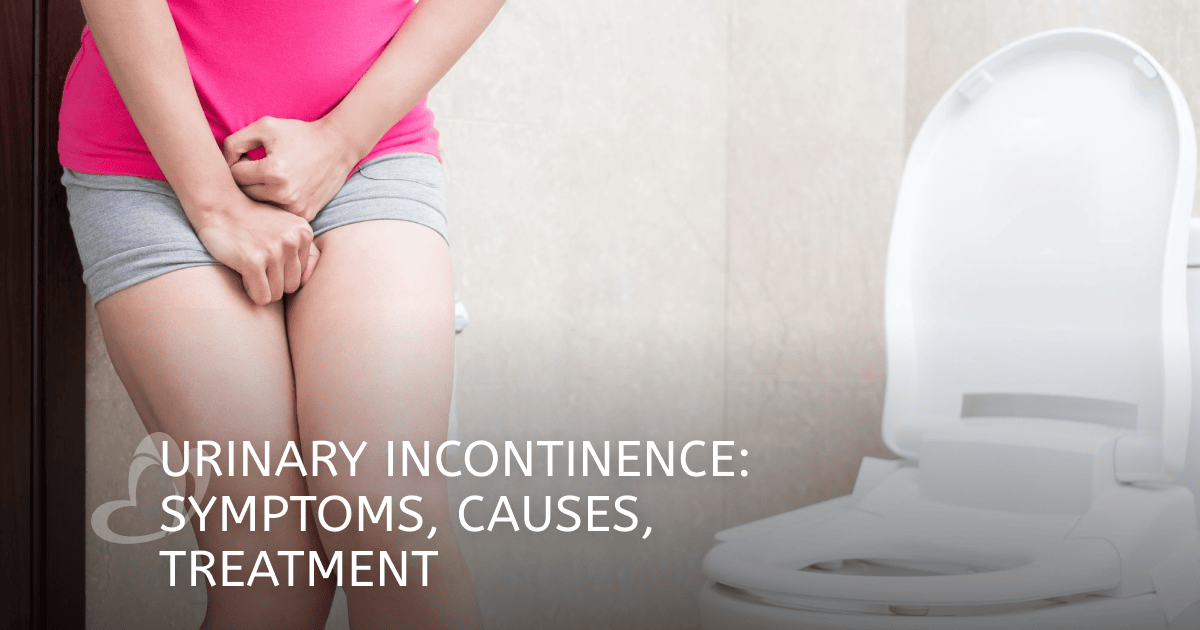
As a matter of fact, according to experts, it can impact approximately 50% of grown-up women and 75% of women over 65. However, even if it's common does not mean it can not be treated, so it is essential to see your medical professional if you begin experiencing signs and symptoms. The typical age of menopause, officially noted by 12 successive months without a menstrual duration, in the united state is 51. Whether it's leaking with a sneeze or feeling an unexpected, urgent requirement to go, urinary incontinence can catch you unsuspecting and absolutely impact your day-to-day live. Urinary incontinence can happen at any age, and while you might see it during menopause as hormonal agent levels change and pelvic floor assistance compromises, menopause itself isn't taken into consideration a straight reason. Kegel exercises, likewise called Kegels or pelvic floor muscular tissue training, are exercises for your pelvic floor muscular tissues to help protect against or reduce tension urinary incontinence.

If you are experiencing urinary incontinence signs and symptoms throughout menopause, do not think twice to review your concerns with us. We know it's not always easy to talk about urine leakages, yet there are therapy alternatives available to aid you gain back control and delight in a better quality of life during this transformative stage. Additionally, a lot of research studies fail to represent the long-term influence of different therapies on UI such as pelvic flooring workouts, medications, or medical treatments. The hormone impact on UI continues to be questionable, and a lot more regulated researches are needed to fully recognize just how hormone substitute therapies, or absence thereof, influence UI development in postmenopausal ladies.
It appears you are using an internet browser that is no more supported or obtaining updates. Please upgrade or set up a more certified browser like Chrome, Firefox, Safari, etc for the very best viewing experience. Your therapist might additionally lead you with rectocele prolapse workouts or uterine prolapse workouts based upon your certain requirements. If your signs suggest a nerve component or pelvic discomfort, consider an assessment at Spinal Diagnostics. Each kind of incontinence has various reasons and monitoring strategies. A 2011 research reviews how estrogen plays a vital function in keeping our vaginal canals and urinary systems healthy. Your vagina and bladders have their very own particular microbiomes that keep a balance of "great" and "bad" microorganisms. Bladder control issues are very usual for ladies in menopause, Incontinence Direct services but it is a treatable problem.